


Originating in India, Yoga is not only popular in India but also has been gaining popularity globally. Parighasana Yoga is one of the best asanas that will open the gates of flexibility as you dive into this magical side bender. Parighasana is a delightful blend of quirky charm, strength, and grace and is not your average yoga pose. By practicing this asana, you can energize your core, open your heart and unlock your body’s hidden potential as you stretch your sides.
Parighasana yoga is a posture that opens the chest by stretching the sides of the body, hence the name Parighasana or the Gate pose. Parigha means ‘the bar used to close the gate,’ and asana means ‘pose’ in Sanskrit. The alternative names of Parighasana yoga include Fence pose, Bar pose, Gate-Latch pose, Door pose, Extended side angle pose, and Side angle stretch pose.
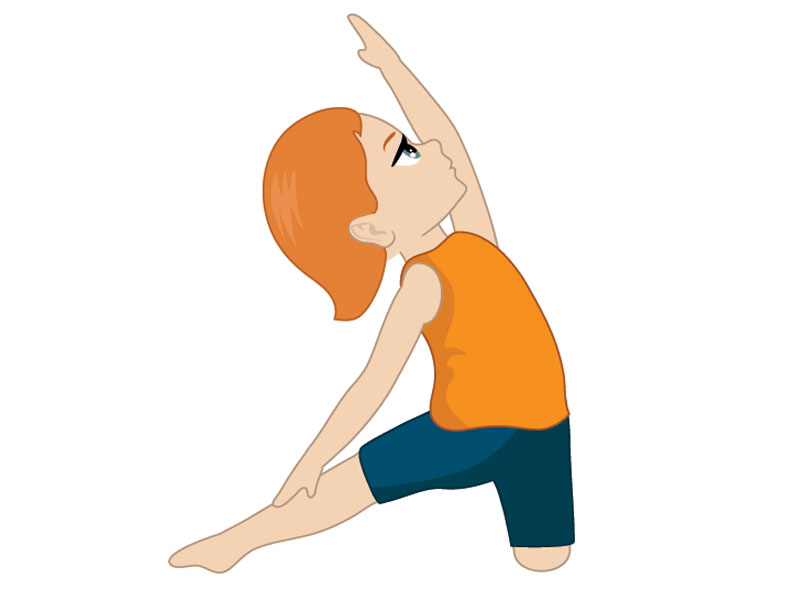
Image Source: shutterstock
Experience the joy of bending like never before by embracing the whimsical journey of Parighasana. Read on!
How to Do Parighasana Step by Step:
Here are the steps you can follow to perform Parighasana yoga and reap the benefits efficiently:
Start the pose by kneeling on the floor with your knees hip-wide apart and legs together.
Keep your foot grounded and your toes pointing forward as you extend your right leg straight to the side.
Raise both arms out to the side as you inhale while reaching the arms parallel to the floor.
Lean your torso to the right as you bend at the waist while exhaling. Provide support by keeping your left hand on your left hip.
Extend your right arm over your head and create a gentle side stretch as you reach toward the right side.
Maintain a straight line from your left knee to your left shoulder as you engage your core.
You can feel the stretch along your right side as you hold this pose for a few breaths.
Now, slowly come back to the initial position.
Repeat the pose on the other side.
Remember to listen to your body and not push your limits. Consult with a qualified yoga instructor if you have any pre-existing medical conditions.
Preparatory Poses for Parighasana:
You can perform several preparatory poses before practicing Parighasana yoga to make the process more flexible and convenient.
Adho Mukha Svanasana.
Baddha Konasana.
Prasaritha Padottanasana.
Supta Padangusthasana.
Upavistha Konasana.
Utthita Parsvakonasana.
Virasana.
Utthita Trikonasana.
Benefits of Parighasana:
Parighasana yoga has several benefits that can significantly improve the overall quality of life and physical fitness. The benefits are:
Parighasana promotes better respiration by opening up your lungs, which can benefit people suffering from asthma or COPD.
The gate poses yoga provides a good stretch and stimulation to your digestive organs since it involves sideways bending.
This pose might prevent conditions like constipation, gas, and IBS when practiced regularly.
The Parighasana also keeps your cardiovascular system healthy and disease-free by stimulating the chest region.
This asana also keeps your hormonal balance intact by massaging organs like kidneys, spleen, liver, intestines, and stomach preventing the risk of diseases in these organs.
Gate pose corrects your posture by stretching your back and can benefit people suffering from lower back stiffness and pain.
Parighasana prevents the risk of disorders related to obesity by aiding in weight loss and giving your body a good stretch.
Precautions and Contraindications:
Here is the list of precautions and contraindications to performing Parighasana that will help you benefit from completing this asana:
Practice asanas like Ado Mukha Svanasana or Virasana to prep your body to perform the deep stretching Parighasana yoga.
You can sit on a chair or use props like a bolster or a cushion if you have a limited range of motion or have pain.
If you are a beginner, make sure not to hyperextend your body.
If unsure, consult an experienced trainer to teach you the proper steps of performing Parighasana yoga.
In conclusion, Parighasana yoga, or gate pose, is a delightful blend of energy activation, strength, and stretch. This yoga posture nurtures a sense of expansion and grace and opens up the sides of the body. You can enhance flexibility, improve your posture and cultivate a deeper connection to your heart and core by practicing Parighasana Yoga regularly. Go through the article and follow the steps to reap the benefits of this pose. Don’t forget to let us know if you found the article helpful!
FAQ:
1. What are the follow-up poses for Parighasana yoga?
The follow-up poses for Parighasana Yoga include:
Utthita Parsvakonasana.
Parvitta Janu Sirshasana.
Trikonasana.
2. What are the safety precautions to take while practicing Parighasana Yoga?
Here are the few things you need to keep in mind while practicing Parighasana yoga:
People with knee, hip, or shoulder injuries should avoid this pose.
Keep looking ahead, and don’t turn your face up if you have a neck injury.
Gently release and leave the pose if you feel uncomfortable or in pain.
3. Can anyone practice Parighasana Yoga?
Most people can practice Parighasana Yoga or Gate Pose. However, suppose you have any medical conditions or specific concerns. In that case, it is advised to consult a healthcare professional or yoga instructor. Keep in mind your body’s limitations while you practice this pose.
Advertisement


Advertisement


Advertisement


